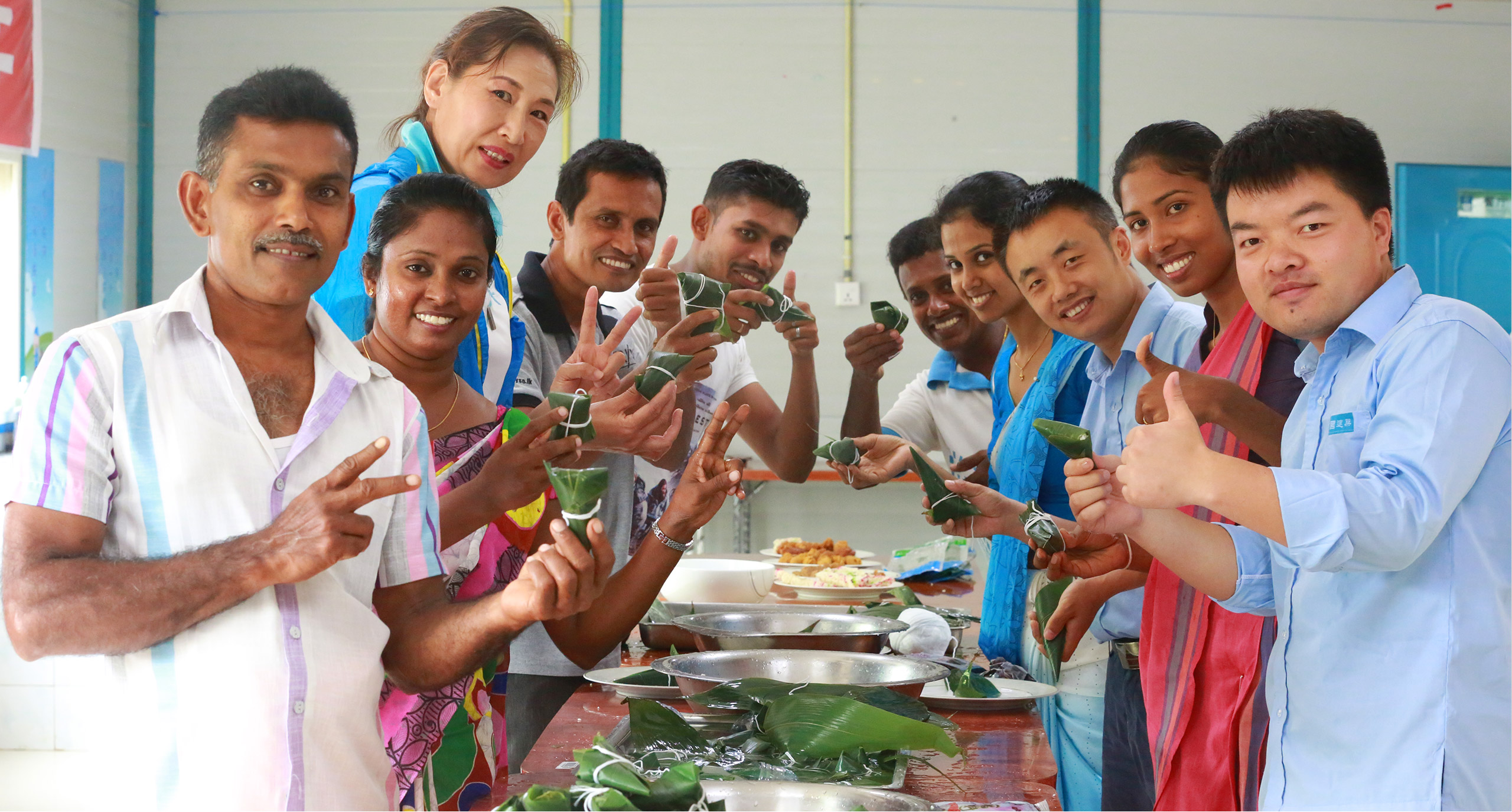
Sudath worked as a driver in Doha, Qatar, for nine years, at a monthly salary of LKR 45,000 (US$266.3). Living far away from his hometown, the Sri Lankan man was very hard up. Now, he has a job with the Southern Expressway Extension Project in Sri Lanka and earns LKR 55,000 a month.
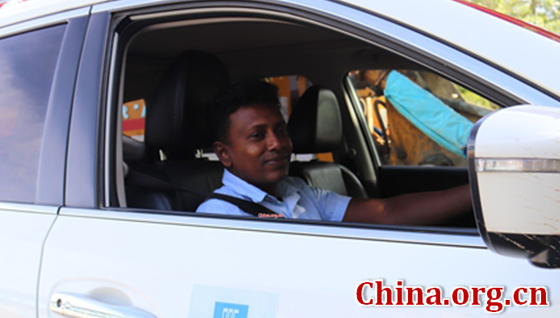 Sudath is a driver at the Southern Expressway Extension Project in Sri Lanka. [Photo courtesy of CSCEC]
Excited about the job keeping him close to his family, as well as the higher income, the 40-year-old man was quite grateful for the project, jointly built by China and Sri Lanka under the framework of the Belt and Road Initiative.
"My life is getting better and better," he said. "Our Chinese friends are building a road to prosperity."
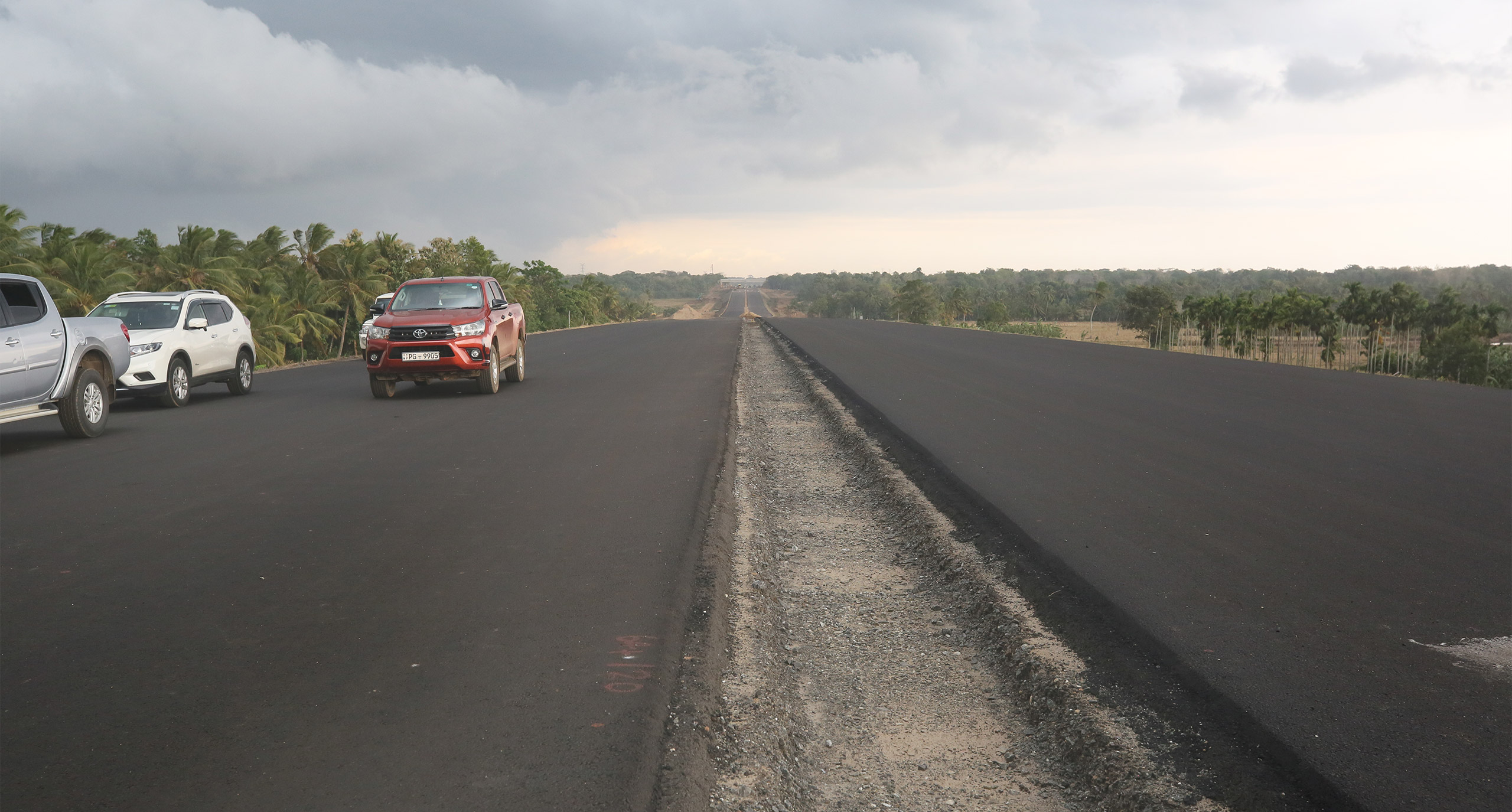
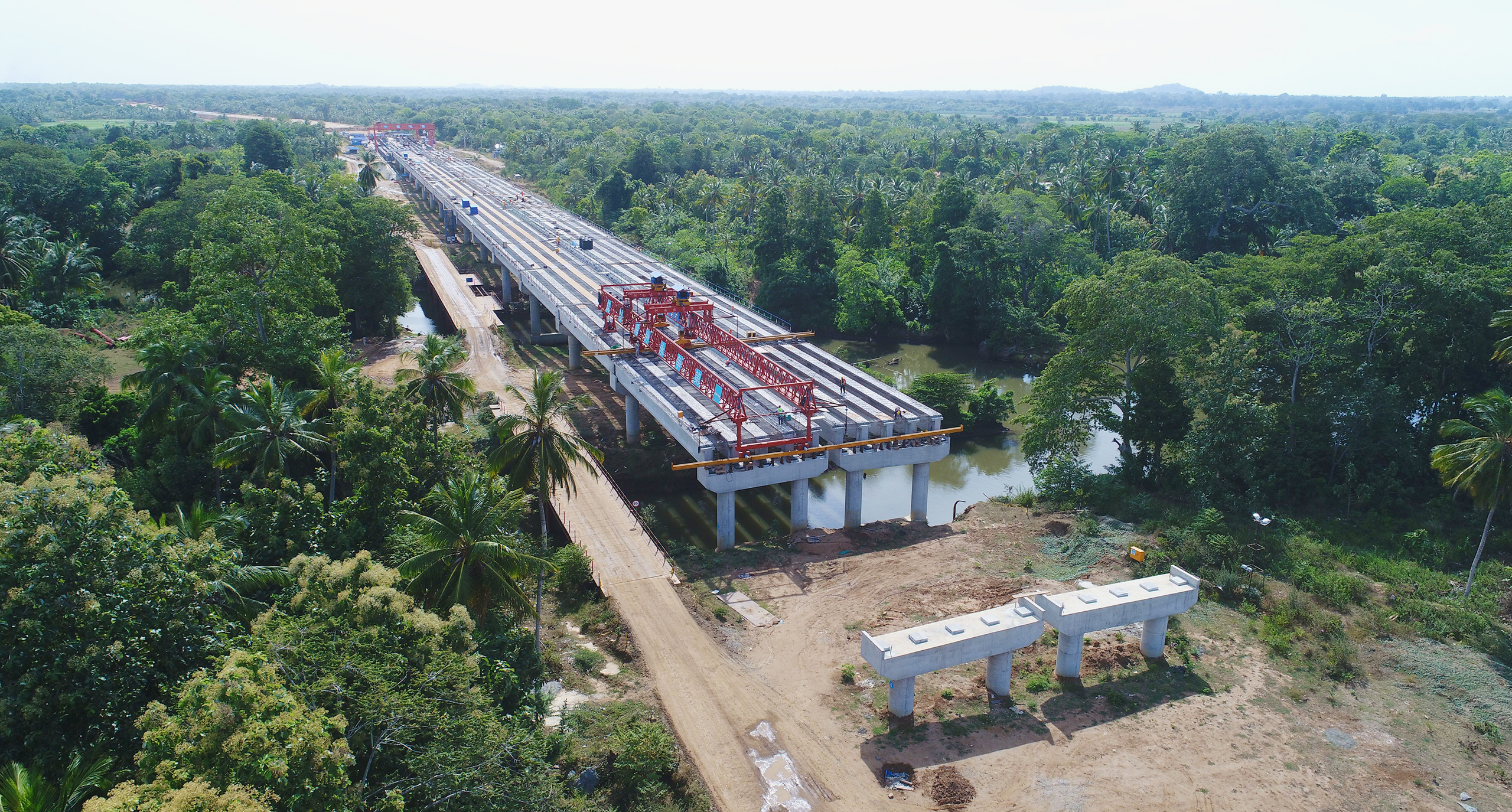
The 96-km extension from Matara to Hambantota consists of four main sections, namely, Section 1 of 30 km from Matara to Belliatta; Section 2 of 26 km from Beliatta to Wetiya; Section 3 of 15 km from Wetiya to Andarawewa, and Section 4 of 25 km from Hambantota to Mattala via Andarawewa.
All four sections are being built by Chinese companies, with China State Construction Engineering Corporation (CSCEC), a global top 500 enterprise, responsible for Section 2 and 3.
The latter is scheduled to be opened to the public this December, and the former in October 2019, according to Jia Ruihua, deputy general manager of the CSCEC Sri Lanka Branch.
This two-way, four-lane extension will link the western and southern regions of Sri Lanka, and its construction will play a major role in boosting economic and social development along the route and across the southern area, Jia said. "After its completion, it will take only two hours from Colombo, the capital, to Hambantota, compared to the present journey of four hours or more."
A bridge of friendship between China and Sri Lanka
It is the common pursuit of Chinese and Sri Lankan constructers here to build the expressway extension into a new benchmark of friendship between the two countries, Jia said.
CSCEC has set up a management team of 60 Chinese and 30 Sri Lankans, and has employed more than 1,100 Sri Lankan workers and 70 Chinese.
It has provided a great many job opportunities for local villagers, hence directly increasing their income and effectively improving their living standards.
In order to improve the skills of local employees, the company even established the first Safety & Vocational Skills Training Center in Sri Lanka and compiled training materials both in English and Sinhala.
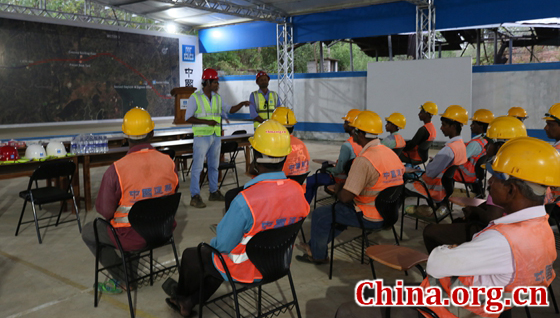 Workers undergo training at the Safety & Vocational Skills Training Center in Sri Lanka, Sept. 23. [Photo by Wang Wei/China.org.cn]
Covering an area of about 2,000 square meters, the training center comprises 12 safety experience areas and six vocational training and assessment areas.
Technical workers who pass the final exam will be issued with a certificate, ranked at different levels, according to Zhang Ximin, assistant general manager of the CSCEC Sri Lanka Branch.
"That not only brings a salary increase, but improves their skills and competitiveness, and most importantly, helps cultivate professionals for future use in Sri Lanka," Zhang said.
Nalin Manawadu has worked here as a project coordinator for more than two years, largely responsible for communication and coordination among local government departments, villagers and the company.
During an interview in Hambantota, he expressed his gratitude for the Chinese government and praised his Chinese colleagues for listening to the opinions of local villagers and sharing their knowledge and technology.
"At the beginning, I had to explain to the people the Belt and Road Initiative. Later, they realized the ongoing project here brought job opportunities and they would enjoy more convenient transportation in the future. Now they are very happy," Manawadu said.
He was quite proud of attending a training session organized by the China Academy for International Business Officials in 2017, saying the rapid development of China left a deep impression on his mind.
A project in harmony with the environment
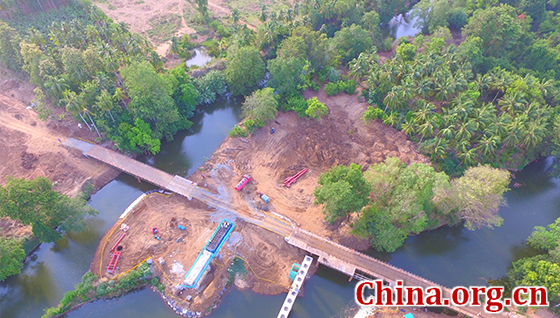
For the past two and a half years, CSCEC has smoothly carried out the project while putting environmental protection and harmonious development first.
According to Li Peng, project manager for Section 3, the company has collaborated with the Sri Lankan National Building Research Organization and Geological Survey and Mines Bureau to monitor the air, water, noise, vibration and other environmental factors along the route and conduct surveys for possible cracks in houses located within 75 meters from the construction work.
 An aerial view of Section 3 of the Southern Expressway Extension Project in Sri Lanka. [Photo courtesy of CSCEC]
In order to reduce dust during the work, the company allocated two sprinklers for each kilometer along the project and set up 150 dust barriers for local residents.
"Hambantota has a dry climate with little rainfall. In order to solve the problem of farmland irrigation, we have dug more than 90 deep wells for villagers," Li added.
All these activities have been highly appraised by local authorities and organizations. Kandambi, project director of the Road Development Authority of Sri Lanka, spoke highly of the company's performance in safety, environment and quality terms, saying it shows a good image of Chinese enterprises at abroad.

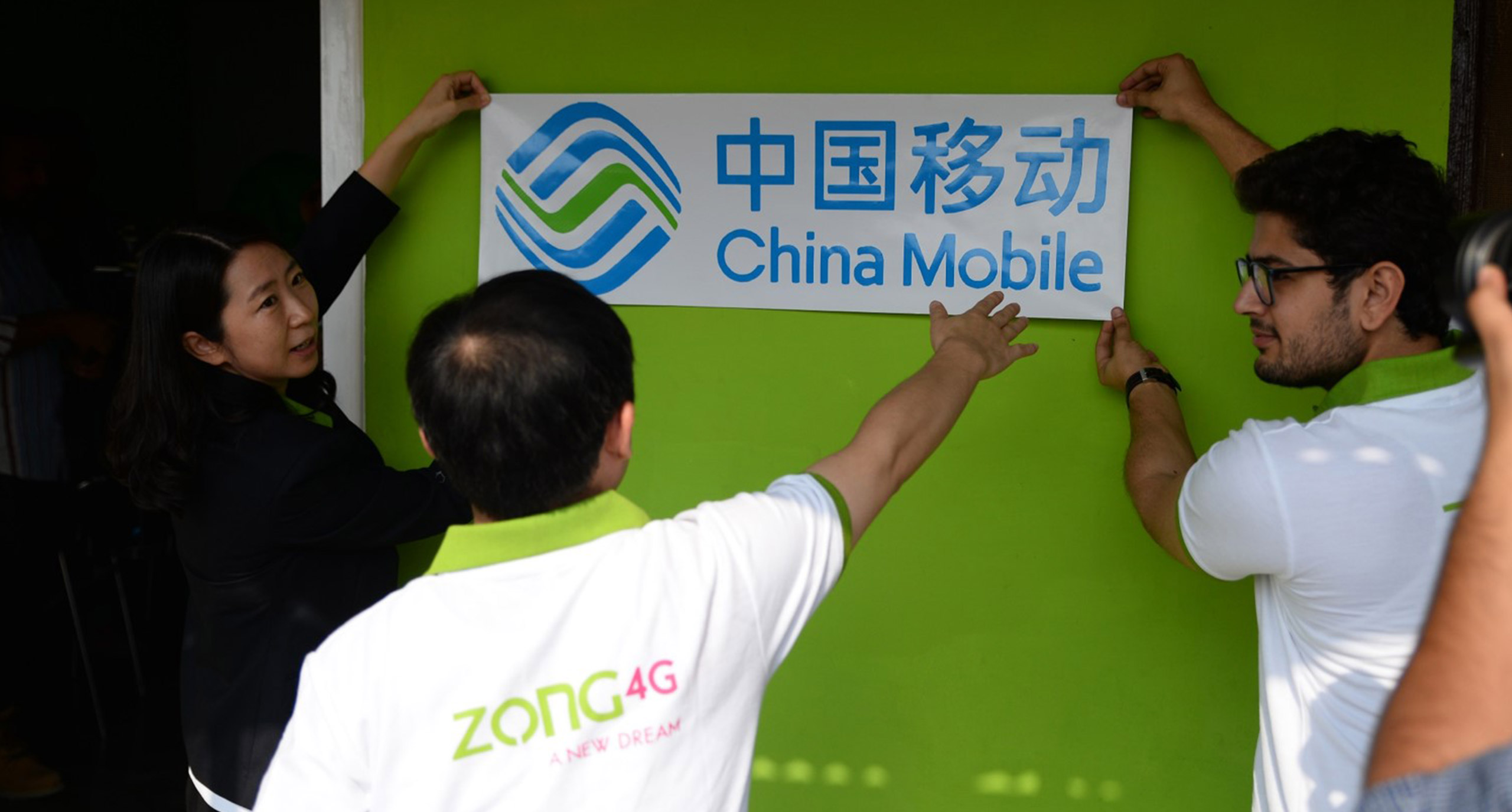
Walking around a suburb of Islamabad, the capital of Pakistan, one can find walls painted green with advertisements reading "ZONG 4G A NEW DREAM."
Zong is a brand operating under China Mobile Pakistan (CMPak), a 100-percent owned subsidiary of the world's largest telecom company China Mobile Communications Corporation.
CMPak — formerly Paktel, a wireless carrier in Pakistan — was founded in 2007 as China Mobile's first venture outside China, and has seen exponential growth in the past 11 years, according to Wang Hua, the fifth chief executive officer of CMPak.
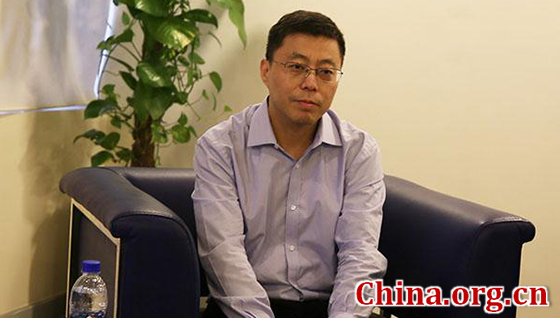 Wang Hua, chief executive officer of CMPak, during an interview in Islamabad, the capital of Pakistan, Sept. 21, 2018.
[Photo by Wang Wei/China.org.cn]
"We actually have suffered great difficulties since the acquisition of Paktel in 2007," Wang said. "Faced with a fully competitive and open market in Pakistan, we cannot enjoy any special policy or treatment. Hence, the operating costs here are quite far beyond those at home."
Moreover, Pakistan is a country with high taxes, which makes the company's operations more difficult, Wang added. "CMPak didn't make any profit until 2016, and continued in 2017."
Currently, CMPak has more than 31 million customers in Pakistan, accounting for about 21 percent of the market. The number of its 4G subscribers has reached 8 million, ranking first in the industry. It is estimated that the company's revenue will increase by more than 20 percent this year, according to Wang.
Supporting Belt and Road projects
"Strictly speaking, CMPak is not a Belt and Road project; however, one of our important missions is to provide support for such projects and serve interested Chinese enterprises and their employees," Wang explained.
So far, CMPak has been providing information technology solutions for 194 Chinese firms in Pakistan, including 160,000 individual clients.
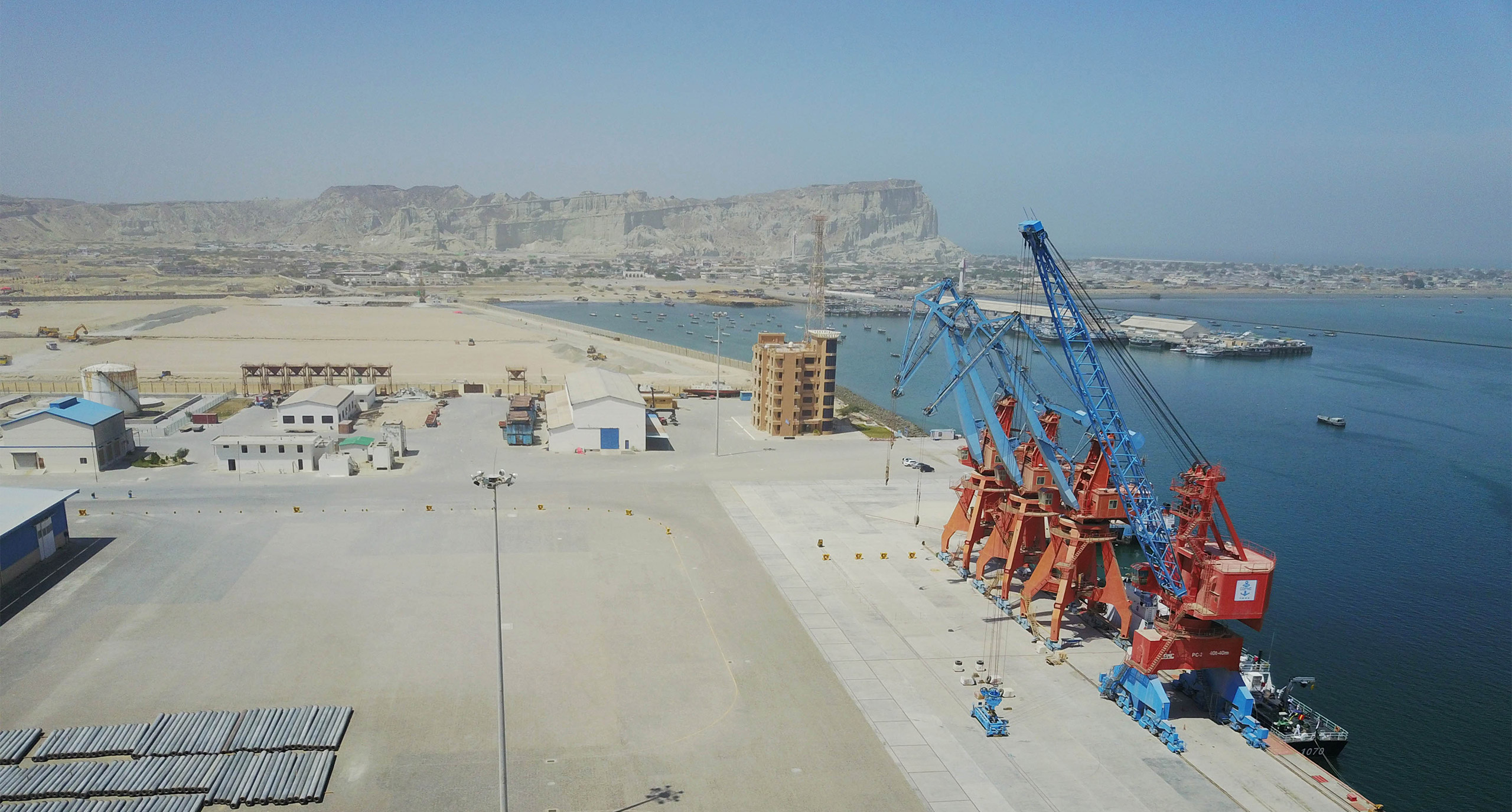
Wang once visited the Gwadar Port in Pakistan's southwestern province of Balochistan — a key part of the Belt and Road Initiative — which offers the shortest and most convenient trade route to Central Asia, Africa and the Middle East.
Learning that Chinese workers were experiencing difficulty in keeping in touch with their families back in China, CMPak set up five basic stations and succeeded in solving the problem through satellite communications in the first half of this year.
 CMPak has set up five basic stations at the Gwadar Port in Pakistan's southwestern province of Balochistan.
[Photo courtesy of CMPak]
"Now they can use our 4G signals to call home every day. Most of the workers have little kids at home; a call will give them great support and comfort," Wang said, adding that 10 more basic stations will be built in the following years.
CMPak also carried out cooperation with China Three Gorges Corporation, China Huaneng Group, China State Construction Engineering Corporation and other Chinese enterprises to provide high-speed Wi-Fi internet services for their bases and projects in Pakistan.
"China-Pakistan Economic Corridor aims to facilitate connectivity through infrastructure construction," said Wang. "What we are doing is to build a China-Pakistan information highway to bring more economic cooperation between the two countries."

Improving people's livelihood in Pakistan
In recent years, while driving Pakistan's economic development, CMPak has always been committed to improving local people's lives with its advanced 4G technology.
In November 2016, the company cooperated with Pakistan's northernmost province of Khyber Pakhtunkhwa (KPK) on its "Medicare Card" program, covering 56 percent of its population. A total of 1.8 million families there received a Zong SIM for free and enjoyed the mobile cash transfer services.
CMPak also made an agreement with DoctHERs to become the official connectivity partners of its telemedicine centers. DoctHERs is a novel, digital healthcare platform that connects female doctors to patients in real-time while leveraging leading-edge technology. It now has nine telemedicine clinics across Pakistan, equipped with Zong's fastest 4G Mobile Broadband devices. In 2017, over 6,000 patients were treated at these facilities, according to Wang.
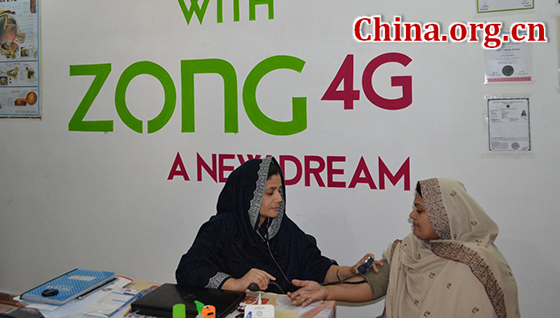 CMPak made an agreement with DoctHERs to become the official connectivity partners of its telemedicine centers.
[Photo courtesy of CMPak]
In addition, CMPak has launched its volunteer program "A New Hope" among its employees since 2016, aiming to clock at least 2,000 hours of volunteer work annually in areas of environmental protection, education and disaster relief. The program has benefitted almost 10,000 people across 10 cities in the country, Wang said.
"In spite of great challenges and difficulties during operation, the company never neglects its social responsibility while actively integrating itself into Pakistani society," he added. "Based on the China-Pakistan all-weather strategic cooperative partnership, we expect to help Pakistan embark on a path of progress and prosperity."
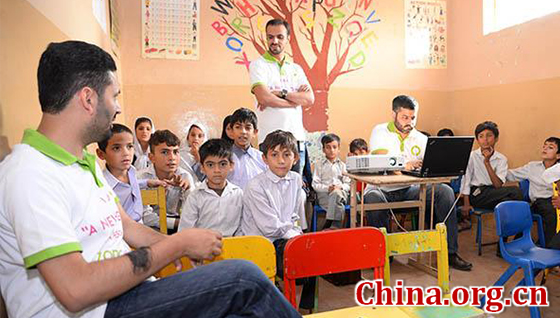 CMPak has launched its volunteer program "A New Hope" among its employees since 2016, aiming to clock at least 2,000 hours of volunteer work annually in areas of environmental protection, education and disaster relief. [Photo courtesy of CMPak]
CMPak now has 3,277 employees, among whom 24 are Chinese, accounting for 0.7 percent of the total. While the major duties of the Chinese employees are to build bridges for better communication between CMPak and China Mobile and bring the company's good experience and solutions to Pakistan, Wang emphasized that its local operation largely depends on Pakistani employees.
"CMPak attaches great importance to cross-cultural training," Wang said. "The Chinese employees have to learn local religions and customs, while their Pakistani counterparts are also invited to attend training programs at China Mobile based in Beijing."
Most of the employees have been working here for more than 10 years, and the cross-cultural communication among them is also great support for the Belt and Road, Wang said.

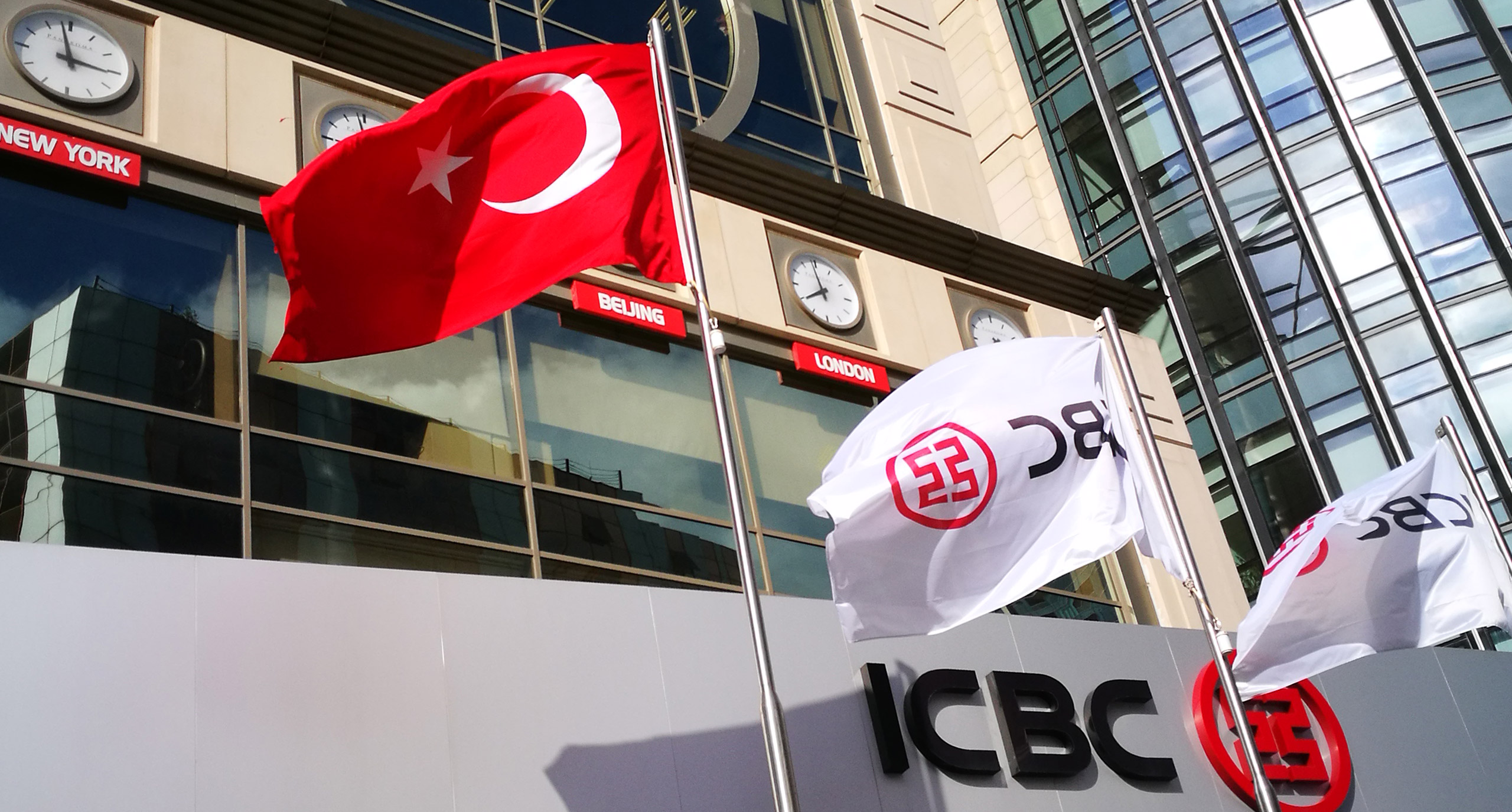
ICBC Turkey, as the first Chinese financial institution to operate in the country, is taking every opportunity to further promote Sino-Turkish economic and trade cooperation with a view to becoming the leading bank supporting Belt and Road projects.
Li Jinhong, deputy general manager of ICBC Turkey, emphasized that the unique geographical position of Turkey makes it possible to build a unified platform for the bank's business operations across 17 countries around the Mediterranean and Black Sea, such as Israel, Azerbaijan, Georgia and Macedonia.
 Li Jinhong, deputy general manager of ICBC Turkey, during an interview in Istanbul, Turkey, Sept. 18, 2018.
[Photo by Wang Wei/China.org.cn]
While Turkey is a geographical bridge between Europe and Asia, ICBC Turkey aims to act as a bridge linking Chinese enterprises with the country's own market and provide more convenient and all-round financial services to jointly build the Belt and Road, Li said.
The largest foreign direct investment by China in Turkey in recent years is the 2015 acquisition of a majority stake in Kumport, the third largest container terminal in the country, by a Chinese investor consortium of COSCO Pacific, China Merchants Holdings International and CIC Capital.
"Chinese enterprises going global tend to be competent and competitive," said Liu Peiguo, non-executive director of ICBC Turkey. "Although they didn't need loan support for such an acquisition, they still applied for a working capital loan of US$40 million from ICBC Turkey for operation of the container terminal."
The bank has also provided refinancing and syndicated loans for projects to improve local livelihood, such as the Elazig Hospital PPP project and the suspension bridge over the Dardanelles Straits, Liu added.
Licensed for commercial banking, investment banking and asset management, ICBC Turkey is now the largest Chinese bank based in Turkey.
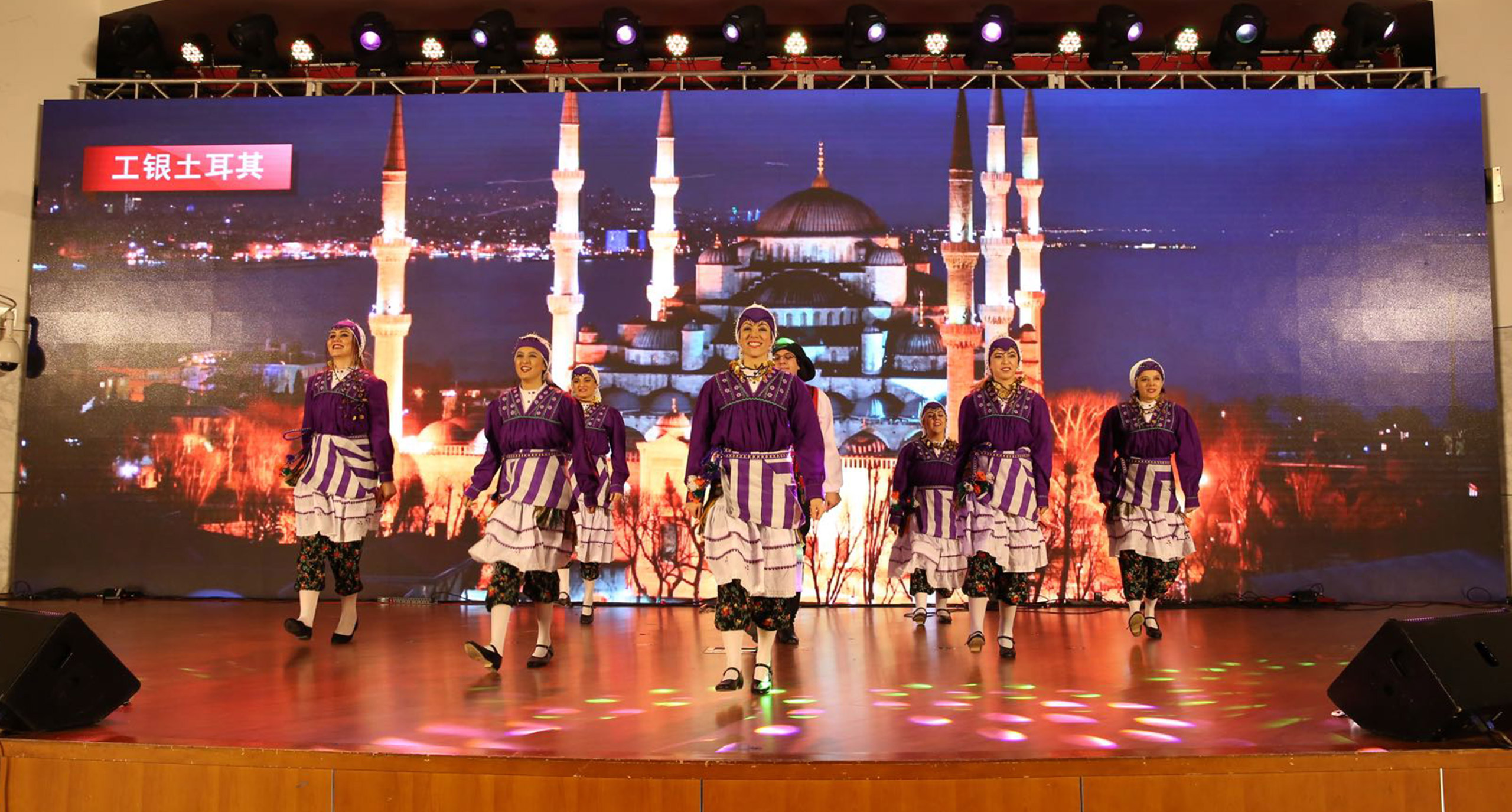
Since acquiring a majority share in Tekstilbank in May 2015, ICBC has formed a network of 44 branches and 20 units for securities businesses, spreading over 18 cities including Istanbul, Ankara and Izmir.
For the past three years, ICBC Turkey has taken measures to promote Sino-Turkish cooperation in infrastructure and production capacity, aiming to align the Belt and Road Initiative with the Turkish Middle Corridor Initiative, Li said.
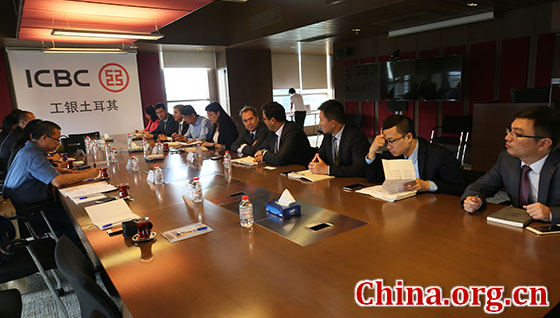 Staff members of ICBC Turkey meet with reporters in Istanbul, Turkey, Sept. 18, 2018. [Photo by Wang Wei/China.org.cn]
This year, Turkey plans to issue Panda bonds — yuan-denominated debt sold in China by foreign firms or governments — to diversify its financing sources. ICBC Turkey has a mandate from the Turkish Treasury as one of the three lead underwriters to promote such bond operations, according to Li.
Not only is this a great move by the Turkish government, but it sends important signals to the Turkish people, said Oraj, general manager of the securities division of ICBC Turkey.
"The issuance of Panda bonds will attract the attention of the Turkish people, in particular, making them more concerned with the present China-Turkey relations," he said.
Such a cooperation would boost the internationalization of Chinese yuan, Oraj added. "Meanwhile, the funds raised from the Panda bonds will be included in the national central budget, and finally used for investment in local infrastructure construction."
He expected the investment would, to some extent, contribute to Belt and Road projects and bring more tangible benefits to the Turkish people.

For the past 12 years, Alper Taner, consultant to CEO of ZTE Istanbul Telecommunication, has made seven trips to China visiting most of its major developed cities, including Hong Kong, Beijing, Shenzhen, Shanghai and Sanya.
He has been enthralled by the rapid development he witnessed in architecture, science and technology, and the lives of local people.
During his most recent trip last year, he went beyond that to gain an understanding of the progress and changes taking place in Chinese society overall. "China is becoming prosperous and powerful," he exclaimed.
"I hold great respect for the idea of seeking shared benefits proposed in China's Belt and Road Initiative," said Taner.
He believes that the initiative will make great contribution to world development, and this fact will be widely recognized by all in the coming years.
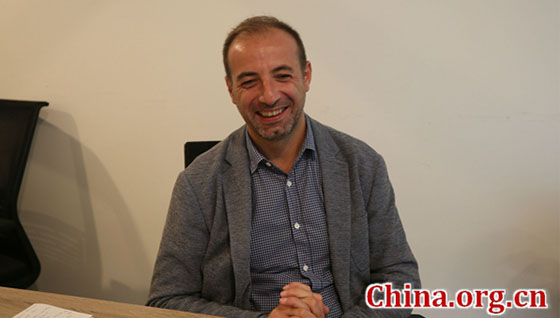 Alper Taner, consultant to CEO of ZTE Istanbul Telecommunication, during an interview in Istanbul, Turkey, Sept. 19, 2018.
[Photo by Wang Wei/China.org.cn]
Taner has been working in ZTE Istanbul Telecommunication since 2017, when ZTE, the largest-listed Chinese telecommunications equipment manufacturer, completed its acquisition of a 48.04 percent shareholding in Turkish systems integration provider Netas Telekomunikasyon A.S.
As a witness and participant in the process, Taner said ZTE has never displayed a high profile, but aimed for win-win cooperation based on equality and respect.
"For business people, trust and security are quite important," he said. "The Turkish people always consider the Chinese to be brothers and sisters, and now our countries are strategic partners in the worldwide competition. So, more and more Turkish people believe that Chinese enterprises are trustworthy, and ZTE is just one of them."
Taner said ZTE will get big returns through its investment and cooperation in Turkey, while its locally-based businesses will provide more service support for the country and promote research and development in its telecommunications sector.
According to Jiang Xiangyang, vice president of MKT & Solution Dept. V at ZTE Corporation, countries along the Belt and Road should enjoy shared benefits not only from infrastructure construction, but from overall research achievements.
"ZTE puts 10 percent of its annual revenue into research and development, and the proportion even reached 12 percent last year. Besides, China has a complete industrial chain, making possible the wide application of those research results," he explained.
"Such experience is worthy of being shared across the globe, and the countries along the Belt and Road in particular."
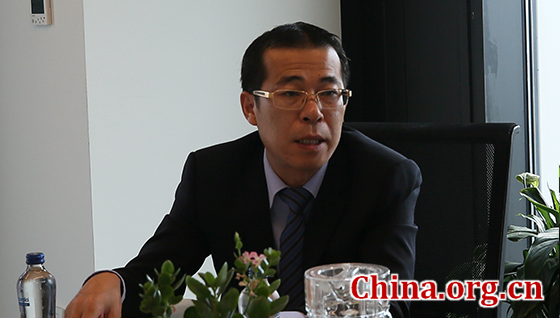 Jiang Xiangyang, vice president of MKT & Solution Dept. V at ZTE Corporation, during an interview in Istanbul, Turkey, Sept. 19, 2018. [Photo by Wang Wei/China.org.cn]
Job opportunities shared
After their entry to the Turkish market, Chinese enterprises have also greatly boosted local employment.
According to Jiang, among the 2,200 employees in ZTE Istanbul Telecommunication, 30 are Chinese and the remaining 2,170 are Turkish. In spite of some cultural shock, they tend to seek common ground while reserving differences, and show respect and understanding for each other. "Cultural and heart-to-heart communication will make more sense than businesses and benefits," he said.
ICBC Turkey, the first Chinese financial institution to operate in the country, also shows its great strength to retain local staff in spite of tough business operations involved in acquiring a majority share in Tekstilbank in May 2015.
"No cuts in branches, no layoffs. Based on this principle, ICBC Turkey has succeeded in overcoming difficulties by operational transformations and with better service quality and greater efficiency," Li Jinhong, deputy general manager of ICBC Turkey, said proudly.
"This move helps win the hearts and minds of local employees, and has since been widely praised by local society," said Li, adding that the bank has done a great work in shouldering its responsibility to ensure employment and social stability in Turkey.